Four inches of clear, solid ice will hold an average adult angler. Two inches won't hold anything at all. That six-inch margin between "safe" and "reckless" defines the entire sport of ice fishing, and most people who get into trouble on frozen water never bothered to check which side of the line they were standing on.
Every winter, anglers head out onto lakes and reservoirs with gear that ranges from a hand-drilled hole and a stick to elaborate setups with flashers, heated shelters, and powered augers. What separates a productive day from a wasted one - or worse, a dangerous one - usually comes down to preparation rather than luck. A well-chosen auger, the right jig, and a working sense of how fish behave under ice matter more than expensive tackle. If you want to see how the excitement of the sport translates into other formats entirely, some ice fishing enthusiasts have even found themselves drawn to a themed slot experience over at tez888.in.net, which borrows the aesthetic of frozen lakes and tip-ups for something more digital. But nothing replaces the real thing.
This piece breaks down the equipment, techniques, and safety knowledge that separate seasoned ice anglers from those who show up unprepared. Whether you're outfitting your first shelter or refining a system you've used for years, the details below will sharpen your approach before the first hole ever gets drilled.
Essential Ice Fishing Equipment for Every Angler
Augers and Ice Drilling Tools
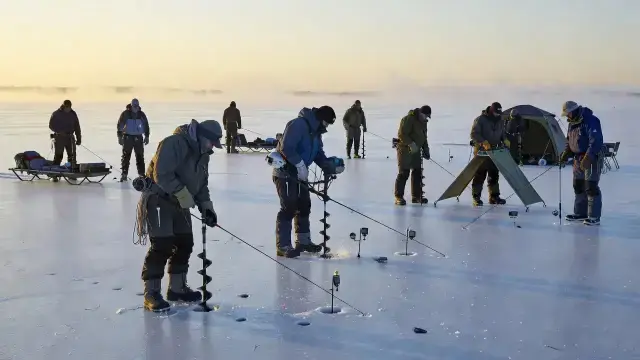
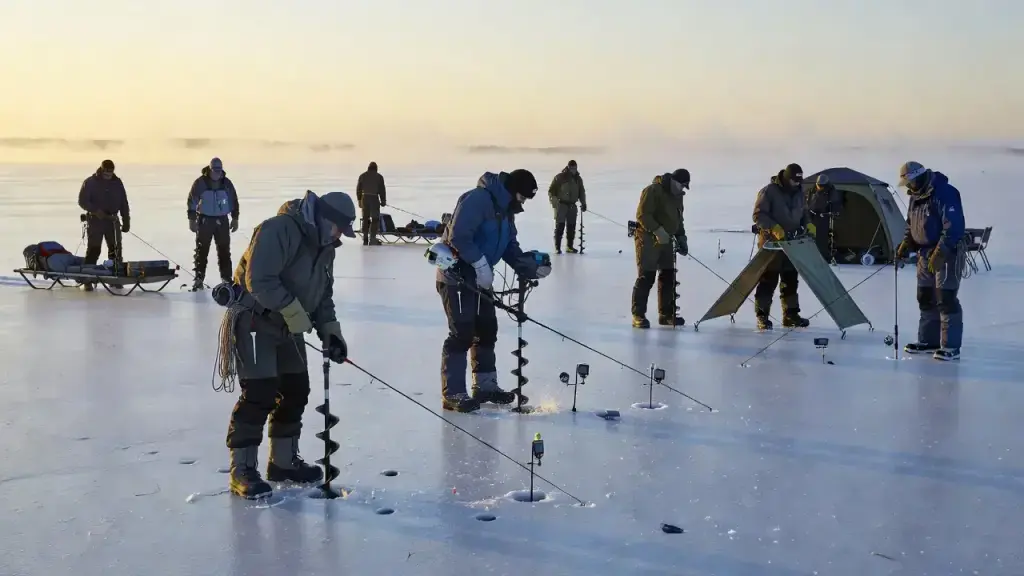
The auger is the first piece of ice fishing equipment most people buy, and the choice between hand, gas, or electric models shapes the entire day. Hand augers work fine on thin ice under eight inches and appeal to anglers who value quiet and simplicity. Gas augers cut through thick ice fast but require fuel, maintenance, and a tolerance for noise and weight. Electric augers, powered by rechargeable batteries, have gained ground because they start reliably in cold temperatures and need less upkeep than gas models. Blade sharpness matters more than horsepower - a dull blade turns a thirty-second hole into a five-minute struggle.
Rods, Reels, and Terminal Tackle
Ice fishing rods are short, typically 24 to 36 inches, because anglers fish almost straight down through a hole rather than casting. A sensitive tip helps detect the light bites common in cold water, when fish metabolism slows and strikes become subtler. Spring bobbers, small clips attached near the rod tip, exaggerate these faint movements and have become standard on rigs targeting panfish. Terminal tackle should include a range of jig sizes, tip-up rigs for larger species like pike and walleye, and a selection of line weights suited to visibility and species behavior.
Shelters, Sleds, and Transport Gear
A shelter isn't optional once temperatures drop and wind picks up across open ice. Flip-over shelters set up fast and suit mobile anglers who move between holes. Hub shelters offer more room for groups but take longer to pitch. Sleds pull gear across the ice efficiently and double as seating in a pinch. None of this winter fishing gear needs to be expensive, but it needs to match the conditions you'll actually face - a lightweight shelter built for calm days won't survive a lake with consistent wind exposure.
- Hand or power auger with a sharp, well-maintained blade
- Short, sensitive ice rod paired with a reliable reel
- Portable shelter rated for expected wind and temperature
- Sled or sled-bag system for hauling gear across ice
- Flasher or fish finder calibrated for ice fishing use
Winter Fishing Gear for Comfort and Performance
Layering Systems for Extreme Cold
Staying warm on the ice isn't about one heavy coat - it's about layering. A moisture-wicking base layer keeps sweat off the skin, an insulating mid-layer traps body heat, and a windproof, waterproof outer shell blocks the elements. Cotton has no place in this system; once it gets wet from sweat or snow, it stops insulating and starts pulling heat away from the body. Anglers who ignore this basic principle often cut trips short not because the fish stopped biting, but because they got cold enough to stop caring.
Boots, Gloves, and Extremity Protection
Hands and feet lose heat faster than the torso, and numb fingers make tying knots or handling fish nearly impossible. Insulated, waterproof boots rated for sub-zero temperatures are non-negotiable for anyone spending hours on the ice. Fingerless gloves with a mitten flap let anglers bait hooks without fully exposing their hands to the cold. Hand and toe warmers, tucked into boots and gloves, extend comfort during long sits, especially in unheated shelters.
Electronics and Underwater Cameras
Flashers show real-time depth, structure, and fish activity beneath the hole, turning guesswork into informed decision-making. Underwater cameras go a step further, letting anglers watch fish respond to jig movement and adjust presentation accordingly. This technology has changed how people fish through ice - instead of waiting passively, anglers now actively read behavior and adapt within seconds. Battery life drops sharply in cold weather, so carrying a spare or a battery insulation sleeve prevents electronics from dying mid-trip.
Proven Ice Fishing Techniques That Put Fish on the Ice
Jigging Strategies by Species
Different species respond to different jigging cadences. Panfish like crappie and bluegill often prefer subtle, slow movements with long pauses, since aggressive jigging can spook fish holding tight to structure in cold water. Walleye respond better to a more rhythmic lift-and-drop pattern, especially during low-light hours at dawn and dusk. Lake trout, aggressive even in winter, often hit hard on faster jigging with larger spoons. Matching jig style and cadence to species behavior is one of the most reliable ice fishing techniques for consistent results.
Tip-Up Setups for Predatory Species
Tip-ups allow anglers to fish multiple holes simultaneously without holding a rod, making them ideal for targeting pike, walleye, and lake trout. A flag trips when a fish takes the bait, alerting anglers stationed some distance away. Setting depth correctly - usually just above bottom or at a depth where fish are marked on a flasher - determines whether a tip-up produces or sits untouched all day. Spacing tip-ups across varied depths and structure increases the odds of intercepting fish moving through the area.
Reading Ice Structure and Fish Movement
Fish don't scatter randomly under ice; they relate to structure just as they do in open water. Drop-offs, weed edges, submerged points, and creek channels concentrate baitfish and, by extension, predators. Studying a lake map before drilling holes saves time and effort compared to drilling randomly and hoping. Early and late season, fish often hold shallower near structure, while deep winter tends to push them toward basin areas with stable oxygen and temperature.
Practical Ice Fishing Tips for Better Results
Timing Your Trip Around Weather and Barometric Pressure
Fish activity under ice correlates strongly with barometric pressure trends. A stable or slowly falling pressure system often triggers active feeding, while a sharp high-pressure spike after a storm tends to shut fish down. Morning and evening periods, even in winter, typically produce more strikes than the middle of the day. Planning a trip around a stable weather window rather than just a free day on the calendar improves results measurably.
Bait Selection and Presentation Adjustments
Live bait - waxworms, minnows, spikes - remains effective through the coldest months because fish metabolism slows and they key in on smaller, slower-moving prey. Downsizing bait and line diameter in clear winter water often triggers more bites than sticking with open-water tackle sizes. Small adjustments, like changing jig color when fishing pressure increases on a popular lake, can revive a slow bite without requiring a location change.
Staying Mobile Versus Setting Up Static
Anglers who drill several holes and move between them tend to outperform those who sit in one spot all day, particularly on unfamiliar water. Mobility lets you locate active fish faster and adapt to changing conditions. That said, once a productive spot is found, patience often pays off more than continued movement - knowing when to switch from searching to sitting is a skill built through experience.
Ice Fishing Safety: Preventing Accidents on Frozen Water
Reading Ice Thickness and Conditions
Clear, solid ice supports more weight than white or "snow" ice of the same thickness, because trapped air and snow compaction weaken structural integrity. General guidelines suggest four inches of clear ice for foot traffic, five to seven inches for snowmobiles, and significantly more for vehicles - though local conditions, currents, and springs can create dangerously thin spots even when surrounding ice looks solid. Checking thickness every fifty to one hundred feet with a spud bar or auger, rather than trusting a single measurement, catches these hidden hazards before they become emergencies.
Essential Safety Equipment to Carry
Ice picks, worn around the neck, give a fallen angler something to grip and pull against if the ice gives way. A rope, at least fifty feet long, allows companions to assist without approaching the break point themselves. A properly fitted flotation suit or life jacket adds critical buoyancy in frigid water, where cold shock can incapacitate a person within seconds. No piece of ice fishing equipment matters more than these safety tools, yet they're the ones most often left in the truck.
Fishing With a Partner and Communication Plans
Solo trips carry real risk, since a fall through the ice with no one nearby can turn fatal within minutes due to hypothermia. Telling someone on shore your planned location and expected return time creates a safety net if something goes wrong and you don't check in. Cell phones, kept in a waterproof pouch, provide a way to call for help - assuming you're within range and the phone survives a fall.
- Check ice thickness with a spud bar every fifty to one hundred feet
- Carry ice picks, rope, and a flotation suit at all times
- Avoid ice near inlets, outlets, and areas with visible current
- Fish with a partner whenever possible and share your location
- Keep a charged phone in a waterproof case within easy reach
Frequently Asked Questions
How thick does ice need to be before it's safe to walk on?
Four inches of clear, solid ice is generally considered the minimum for walking, but this assumes consistent thickness across the entire area. Ice near moving water, docks, or vegetation often thins unpredictably, so checking multiple spots rather than relying on one measurement is essential.
What's the best auger type for a beginner?
A hand auger suits beginners fishing shallow lakes with ice under eight inches, since it's inexpensive, lightweight, and requires no maintenance. Once you're regularly drilling through thicker ice or multiple holes per trip, an electric auger offers a good balance of power and simplicity without the upkeep gas models demand.
Do I really need a fish finder or flasher to catch fish through the ice?
You can catch fish without one, but a flasher dramatically shortens the learning curve by showing depth, structure, and fish presence in real time. It also helps you understand how fish react to your jigging, which speeds up the process of figuring out what presentation works on a given day.
Why do fish seem to bite less aggressively in winter?
Cold water slows fish metabolism, which reduces their need to chase food aggressively and makes them more selective. This is why smaller bait, subtler jigging motions, and more sensitive rods tend to produce better results than the faster, more aggressive presentations used in open water.
What should I do if I fall through the ice?
Turn toward the direction you came from, since that ice already supported your weight once. Kick your legs to get into a horizontal position, dig ice picks into the surface, and pull yourself up while kicking to slide your body onto solid ice rather than trying to climb straight up.
How many holes should I drill in a single trip?
There's no fixed number, but drilling five to ten holes across varied depths and structure gives you enough options to locate active fish without wasting excessive time or energy. Spacing them along a drop-off or point tends to be more productive than clustering them in one small area.